Tuesday, May 29, 2012

Honey anti cancer

Honey is Anti-Cancer!

"Is honey one of those anti-cancer foods? Can it cure cancer?" From time to time, I receive these questions from "Just Ask".
Our heart goes out to those whose lives are troubled and threatened by cancer, but I had to reply and inform them that honey is not an antidote for cancer or a "cure-all".anti cancer honey image
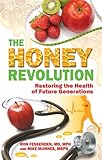
Perhaps what many people don't think enough of or have overlooked is - honey possesses carcinogen-preventing and anti-tumour properties; honey is curative; honey is anti-cancer. According to the book Honey Revolution by Dr Ron Fessenden, scientists have found floral flavonoids in honey. These tiny traces of bioflavonoids, generally known as antioxidants, have powerful influences when entered into the body's cells. When ingested, they immediately increase the antioxidant levels within cells, "decrease capillary permeability and fragility. They scavenge oxidants and inhibit the destruction of collagen in the body". In fact in the recent years, major drug companies recognised the effectiveness of these flora-flavones in removing free radicals from our body and improving our body immunity functioning, and are now investing millions of dollars just to produce these substances artificially. Tell your family, friends that the foraging honeybees have passed on these precious natural floral-flavones from the floral nectars to honey and then to us! Look, you may not see the benefit of turning to healthful food overnight, but daily repetitive, anti-cancer choices will can potentially safe your life from deadly diseases like cancers.
Surely all of us know that prevention is far better than cures, but sadly, the world has succumbed to the instant gratification syndrome. Just see how people are losing weight so quickly by taking diet pills, getting liposuction, or even starving. Working out things over time has become a waste of time. We want material wealth, relationships, and success now, totally abandoning the universal law of sowing and reaping. And with the exact attitude, we often put all our strength and focus into demanding instant cures of diseases and forget all about constant prevention with anti-cancer diet and lifestyle.
I want to share this story with you. Our local papers recently featured a retail magnate who was punished by the law for buying a kidney illegally. As reported, his kidneys failed in 2005 due to the high levels of sugar in his blood and his well-known penchant for "good food, especially the deep fried stuff". He was tethered to his dialysis machine for three hours a day, and when he was not having dialysis, he would be with a doctor for heart problems and diabetes. When interviewed, he remarked that if he had listen to his doctors a decade or two ago, he might not have lost the use of his kidneys. Hindsight is always 20/20, he said.
Such stories must be powerful enough to jolt us out of our wilful nonchalance. Borrow the hindsight of those who have been there before and work on our health and picture in our mind the good health of our children 10, 20 years later. We can't forecast freak diseases, accidents, and natural disasters of tomorrow, but we can definitely will ourselves to treating our body better by choosing wisely the kind of food to deposit into it today.

Amazing Benefits of Honey!

Amazing Benefits of Honey!


benefits of honey image
Discover the enormous benefits of honey; its myriad floral tastes and host of health benefits. Its versatility and the goodness it can bring into your everyday practical life is WOW!
Just a Sweet Placebo?
Not only does this delectable liquid stimulate your taste buds and whet your appetite, its unique taste and aroma has sprung off many time honor cooking ideas and recipes such as the cannot-be-missed honey baked ham and honey dips. But is honey really good for you? This caramel-like liquid seems to be full of calories. ...sure it tastes good and has a pleasant texture that coats the irritated throat, but is it no more than just a tasty placebo?
Honey isn't Just Sugar!
The fact is, honey is far better than what most people perceive. Researchers are turning up more and more new evidence of honey's medical benefits in all directions. The benefits of honey don't just stop at satisfying the palate; honey also offers incredible antiseptic, antioxidant and cleansing properties for our body and health, hot beauty and skin care tips for ladies, and amazing healing properties as a head-to-toe remedy, from eye conjunctivitis to athlete foot. Its powerful healing attributes have long been used thousands of years ago and known to promote healing for cuts, cure ailments and diseases, and correct health disorders for generations after generations. The renowned UMF Manuka honey, perhaps the tastiest natural medicine, is commonly cited in many discussions on health benefits of honey. This honey not only fights infection and aids tissue healing but also helps reduce inflammation and scarring. In addition, it is often used for treating digestive problems such as diarrhea, indigestion, stomach ulcers and gastroenteritis. The page, titled "In What Ways have You Experienced the Benefits of Honey?" is filled with eye-popping testimonies about the healing power of honey. I've lost count of the number of times I have accessed that page, but the stories posted there never cease to move and amaze me over and over again. With more and more health experts and theories, such as the Hibernation Diet, supporting its benefits, this oldest natural sweetener just keeps getting better.
Discover Your Favorite Floral Varietals
One of the greatest pleasure and fascination in using honey is understanding the different floral varieties of honey, their appearance and quality, and experimenting with each of their unique taste and distinct flavor, and being able to know which floral variety of honey is most perfect for which kind of foods. The uses and benefits of honey in foods are as diverse as its floral varieties and places of origin. It is almost like acquiring wine knowledge through wine-tasting and getting information on the origin, quality and worth of the different wines. Very intriguing, satisfying, and even infectious! Besides all the pages on benefits of honey, perhaps one of the most well-received topics in this web resource is related to those exotic, tantalizing recipes which I have specially created and developed using honey. I think this is what makes the honey recipes here different from the massive number of honey recipes available out there.....exotic!

(Support us! If you like this website, do let Google and your friends know by clicking this Google +1 button. Thanks!)
A Vast Resource that Can't be Dismissed
This immensely rich and comphrehensive honey web resource currently has over 300 pages (links to these pages can be found in the pages listed on the menu bar, otherwise, you could also make use of the above easy Custom Search). It sets out to share with all the honey buffs in this world how exciting discovering the uses and benefits of honey can be. (It has become a "Benefits of Honey Wikipedia"!) And since early 2007, it has grown into a phletora of other health and nutrition contents, bringing you news on some of the hottest health-buzzwords like cortisol, natural skin care, lymphatic systems, organic food, antioxidant, and detox - all of which you can find in our Health & Nutrition Resources Index . There you also can find links to some very layman, easy to understand explanations on honey bee products such as propolis, royal jelly, beewax, and bee pollen, and some of the most common health problems such as bad breath, athlete foot, hair loss, sleep disorder, arthritis, acne, and yeast infection - all of which honey has traditionally been used as a natural cure or alternative medicine. For the latest additions and new pages in this website, you can track and find them in the Honey Blog.
Begin Your Honey Trail Here
benefits of honey imageCome in and be awed by the goodness of honey, get some quick easy honey facts and interesting honey bees information, be introduced to some common bee products and their benefits and uses, scrutinize together the nutrition and properties of honey and its health benefits. Well, I probably cannot offer you medical advice on honey like a medical doctor or promote honey as a substitute for professional medical care, and I don't aim to, but as a honey enthusiast, I am eager to give you all the reasons in the most laymen, simplest language that is easy for everybody to grasp and appreciate - why honey is such a superfood, why we should feel indebted to the tireless creatures which have to visit two million flowers just to provide us with one pound of honey, why everyone should always keep a jar of honey at home, and even why one should consider using it during a fast. Also you will realize with its bewildering number of varieties, this natural sweetener is comparable to tea, coffee, wine in its complexity, and agree that it surely doesn't deserve to be labelled as a mundane or humdrum commodity which has a homogeneous taste and flavour, like water, salt, and sugar.
Liquid Good as Gold!
I sincerely hope that what the community in Benefits of Honey shares will dramatically change the way people talk about honey and experience honey, turning consumption into a special ceremony, and with its own special tastes and health benefits, honey will find a new star status as a chic and awe-inspiring golden liquid.

Health Benefits of Honey

health benefits of honey
The 3 key health benefits of honey are related to the fact that: 1. Honey is nature's energy booster

2. Honey is a great immunity system builder

3. Honey is a natural remedy for many ailments

Read below for details.


Nature's Energy Booster

The benefits of honey go beyond its great taste. A great natural source of carbohydrates which provide strength and energy to our bodies, honey is known for its effectiveness in instantly boosting the performance, endurance and reduce muscle fatigue of athletes. Its natural sugars play an important role in preventing fatigue during exercise. The glucose in honey is absorbed by the body quickly and gives an immediate energy boost, while the fructose is absorbed more slowly providing sustained energy. It is known that honey has also been found to keep levels of blood sugar fairly constant compared to other types of sugar. So, to experience these health benefits of honey, here are a few tips for you:
health benefits of honey image1. Next time before you go for a workout, take a spoon of honey to enable you to go for the extra mile.
2. If you are feeling low and lethargic in the morning, instead of reaching out for a can of carbonated energy drink , try honey. Spread it on hot toast or replace the sugar in yourtea with it for a refreshing surge of energy.
3. If your kids are finding hard to cope with the physical strain from the buzzing activities at school, prepare them some sandwiches with honey, butter and ham to make sure they have enough energy to sustain through the day. My kids are delighted when they see me prepare warm honey water in their bottles. They couldn't care a bit about the health benefits of honey, but simply love the taste of it!

Immunity System Builder

Amongst the many health benefits of honey, what is most impressive to me is that honey can be a powerful immune system booster. It's antioxidant and anti-bacterial propertiescan help improve digestive system and help you stay healthy and fight disease. Start every brand new day with this cleansing tonic if you want to see this health benefit of honey: before breakfast, mix a spoonful of honey and lemon juice from half a lemon into a cup of warm water and drink it.


Honey is Anti-Cancer!

Honey does not cure cancer but what many people don't think enough of or have overlooked is - honey possesses carcinogen-preventing and anti-tumour properties! Read: Honey is Anti-Cancer!

Honey Remedy for Ailments

FOR CUTS AND BURNS:
For thousands of years, honey has been recognized as one of the most natural home remedies to treat a wide range of ailments and complaints including yeast infection , athlete foot , and arthritis pain. Its antiseptic properties inhibits the growth of certain bacteria and helps keep external wounds clean and free from infection. Honey has been used as a natural cure in first aid treatment for wounds, burns and cuts as it is able to absorb moisture from the air and promote healing. Its antibacterial properties prevent infection and functions as an anti-inflammatory agent, reducing both swelling and pain, and even scarring. It is widely believed that UMF Manuka is the preferred honey for wound dressing due to its strong antibacterial property.
FOR HANGOVERS:
When you get a hangover from drinking too much alcohol, combat its effects by applying honey remedy. Honey is gentle on the stomach and contains a mix of natural sugars such fructose which is known to speed up the oxidation of alcohol by the liver, acting as a 'sobering' agent. Follow this recipe: 15ml of liquid honey with 80ml of orange juice and 70ml of natural yogurt. Blend them together until smooth.
FOR SORE THROATS:
One of the better known health benefits of honey is that it is able to help treat sore throats. Thanks to its antimicrobial properties, honey not only soothes throats but can also kill certain bacteria that causes the infection. Professional singers commonly use honey to soothe their throats before performances. The Chinese believe that excess "heatiness" in the body causes sore throat and taking honey drink can be helpful. Direction: Take a spoonful of honey to soothe the inflammation or gargle with a mixture of two tablespoons of honey, four tablespoons of lemon juice and a pinch of salt. Personally, whenever I have a sore throat or cough, I especially like to take warm water mixed with Manuka UMF honey which is well-known for its anti-bacterial healing properties.
For SLEEPLESSNESS:

Unable to sleep? Use the famous Milk and Honey Remedy. Take a glass of hot milk with a teaspoon of honey to calm the soul and induce sleep. Or, add 1 or 2 teaspoons of honey to a cup of chamomile tea and sip.

Further Resource on Home Remedies Using Honey

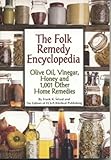
Frank K. Wood has written a book entitled "The Folk Remedy Encyclopedia: Olive Oil, Vinegar, Honey and 1,001 Other Home Remedies". Many common aches and pains we experience can be treated by simple foods such as honey which we commonly find in our home kitchen cabinets, however such precious knowledge does not seem to be common amongst people. These folk remedies might be old fashioned, but many of their cures have been proven effective by modern medical research. To check it out, click on the book.
And if you are interested in even more health benefits of honey and a more extensive collection of home remedies using an even greater variety of foods including honey, spices, herbs, and fruits, you may want to take a look at an ebook by Chet Day -- "500 Years Of Natural Health Secrets".

Read Honey Testimonies

I love the stories that our honey enthusiasts send us and post. They are so inspiring and encouraging. Read what awesome and incredible things honey can do in our lives! All in "In what ways have you experienced the benefits of honey?"

Other Related Topics on Health Benefits of Honey

1. What is Vinegar and Honey Remedy?
The health benefits of honey and vinegar drink are widely known. This recipe has traditionally been used as a home self-detox or self remedy for many ailments such asarthritis. Click here to learn more about the benefits of the Honey and Vinegar Remedy.

2. What is Honey and Cinnamon Remedy?
The combination of honey and cinnamon has been used in oriental medicine for centuries and people have claimed that the mixture is a formula for many health benefits and a cure for many ailments including hair loss and bad breath.
Click here to read about the Honey and Cinnamon Remedy.

3. Honey and Lemon: Weight Loss Diet Tip
A honey and lemon diet can relieve you of your weight problem. Find out why more and more people are trying out this Honey and Lemon Diet Tip.

4. Milk and Honey: For promotion of good digestion and health
Adding honey to diary products such as sour milk and yoghurts can improve your digestion and bowel movements. Read more about what is so good about Milk and Honey.

5. The Hibernation Diet
"You can lose weight while you sleep." Sounds too incredibly easy? Read this article to understand the logic of it and how you can reduce kilos by eating natural honey before you go to bed everyday -- the revolutionary The Hibernation Diet

6. Cholesterol and Honey
The antioxidants in honey are a cholesterol fighter and have the potential to protect against heart disease! Read: Honey Lowers Cholesterol

7. Warning Note on Honey and Infant
You probably also have heard people warn about honey and infant while learning all the possible health benefits of honey. Know what you ought to understand aboutHoney and Infant.

8. Honey and Pregnant Moms
And how about a pregnant mom? Can she safely eat honey during pregnancy? Click here to clear this common confusion -- Pregnancy and Honey
 

honey is the only food that contains "pinocembrin",

Eur J Pharmacol. 2008 Sep 4;591(1-3):73-9. Epub 2008 Jun 24.

Pinocembrin prevents glutamate-induced apoptosis in SH-SY5Y neuronal cells via decrease of bax/bcl-2 ratio.

Source Honey is the only food that contains pinocembrin antioxidant associated with improved brain functioning. Published By Jeffrey P Osborn

Institute of Materia Medica, Chinese Academy of Medical Sciences and Peking Union Medical College, Beijing 100050, China.

Abstract

Pinocembrin is the most abundant flavonoids in propolis, and has been proven to have antioxidant, antibacterial and anti-inflammatory property. To assess the protective effects of pinocembrin on neurons, SH-SY5Y neuronal cells were pretreated with pinocembrin for 2 h followed by co-treatment with glutamate (2 mM) for 12 h. Cell viability was determined by(3,4,5-dimethylthiazol-2-yl)-2,5-diphenylte-trazolium bromide assay, and apoptosis was confirmed by cell morphology, capillary zone electrophoresis and flow cytometry assay. Cell morphology was evaluated with Hoechst33258/PI dye. Treatment with pinocembrin (10(-5), 10(-6), 10(-7) mol/l) increased cell viability dose-dependently, inhibited LDH release and attenuated apoptosis. Intracellular free [Ca(2+)] was increased after glutamate exposure, and this increase was attenuated in cells treated with pinocembrin. bax mRNA expression increased remarkably following glutamate exposure and pinocembrin treatment manifested a reduction effect. bcl-2 mRNA expression changes were not detected in groups with or without pinocembrin. Western blotting results indicated that pinocembrin treatment reduced the expression of Bax and had no effect on Bcl-2, thus decreased the Bax-Bcl-2 ratio, which is in consistent with the gene expression result. Pinocembrin could also down-regulate the expression of p53 protein, and inhibit the release of cytochrome c from mitochondria to cytosol. Thus we conclude that pinocembrin exerts its neuroprotective effects in glutamate injury model partly by inhibiting p53 expression, thus Bax-Bcl-2 ratio, and the release of cytochrome c.

20 Amazing Honey Bee Facts!

20 Amazing Honey Bee Facts!

Published By Jeffrey P Osborn


I think we should get ourselves some honey bee facts, after all so many healing and health-promoting opportunities for the humans begin with this little busy creature. As you read the following 20 honey bee facts, you will be so intrigued just like me by this teensy-weensy fellow's extraordinary abilities.
1. The honey bee has been around for millions of years.
2. Honey bees, scientifically also known as Apis mellifera, are environmentally friendly and are vital as pollinators.
3. It is the only insect that produces food eaten by man.

honey bee facts image
4. Honey is the only food that includes all the substances necessary to sustain life, including enzymes, vitamins, minerals, and water; and it's the only food that contains "pinocembrin", an antioxidant associated with improved brain functioning.
5. Honey bees have 6 legs, 2 compound eyes made up of thousands of tiny lenses (one on each side of the head), 3 simple eyes on the top of the head, 2 pairs of wings, a nectar pouch, and a stomach.
6. Honey bees have 170 odorant receptors, compared with only 62 in fruit flies and 79 in mosquitoes. Their exceptional olfactory abilities include kin recognition signals, social communication within the hive, and odor recognition for finding food. Their sense of smell was so precise that it could differentiate hundreds of different floral varieties and tell whether a flower carried pollen or nectar from metres away.
7. The honey bee's wings stroke incredibly fast, about 200 beats per second, thus making their famous, distinctive buzz. A honey bee can fly for up to six miles, and as fast as 15 miles per hour.
8. The average worker bee produces about 1/12th teaspoon of honey in her lifetime.
9. A hive of bees will fly 90,000 miles, the equivalent of three orbits around the earth to collect 1 kg of honey.
10. It takes one ounce of honey to fuel a bee's flight around the world.
11. A honey bee visits 50 to 100 flowers during a collection trip.
12. The bee's brain is oval in shape and only about the size of a sesame seed, yet it has remarkable capacity to learn and remember things and is able to make complex calculations on distance travelled and foraging efficiency.
13. A colony of bees consists of 20,000-60,000 honeybees and one queen. Worker honey bees are female, live for about 6 weeks and do all the work.
14. The queen bee can live up to 5 years and is the only bee that lays eggs. She is the busiest in the summer months, when the hive needs to be at its maximum strength, and lays up to 2500 eggs per day. Click here to learn more about the Honey Bee Life Cycle,
honey bee facts image
15. Larger than the worker bees, the male honey bees (also called drones), have no stinger and do no work at all. All they do is mating.
16. Each honey bee colony has a unique odour for members' identification.
17. Only worker bees sting, and only if they feel threatened and they die once they sting. Queens have a stinger, but they don't leave the hive to help defend it.
18. It is estimated that 1100 honey bee stings are required to be fatal.
19. Honey bees communicate with one another by "dancing".
20. During winter, honey bees feed on the honey they collected during the warmer months. They form a tight cluster in their hive to keep the queen and themselves warm.
The more I learnt about honey bee facts; honey's great creator -the honey bee itself, its highly organized society, how it acts with such intricate cooperation, and the various bee products, the more I admire and respect this amazing creature. It is no wonder why sometimes the colony is called a superorganism.
"Unique among all God's creatures, only the honeybee improves the environment and preys not on any other species." ~ Royden Brown
"If the bee disappears from the surface of the earth, man would have no more than four years to live?" ~ Albert Einstein

Honeybees are Ultimate Bomb Detectors!

Honeybees are Ultimate Bomb Detectors!


honeybees imageHoneybees have a remarkably acute sense of smell. And that's why so often, we'll find them buzzing so persistently around us at picnics with spreads of food. Their keen sense of smell guides them to the flowers and pollinates them. Foraging bees can discriminate between flowers when there are a bewildering number of flowers to select from. Their odorant receptors, which are more powerful than fruit flies or mosquitoes, also allow them to find food and communicate its location to other bees.

Scientists have harnessed the insect's phenomenal sense of smell to detect and track down explosives hidden by terrorists. The prototype under trial is made up of a box device containing three trained bees built into a removable drawer. A video camera records the bees' response, which can trigger off a signal upon even the faintest trace of explosives. It is said that the bees are able to "detect the scent of explosives at concentrations as low as two parts per trillion, which is the equivalent of finding a grain of sand in a swimming pool".

And the advantages of training bees over dogs to sniff out bombs? Bees don't get distracted from their task easily, learn quicker, and are relatively cheaper to maintain.

Now, to see the members of the Los Alamos National Laboratory Stealthy Insect Sensor Project team (2008) in action and be amazed by how incredibly useful these tiny creatures are, watch this

Did Albert Einstein Ever Link Doom of Human Race to Bees?

Did Albert Einstein Ever Link Doom of Human Race to Bees?


Probably, the most common bee controversy ever associated with Albert Einstein is if he had ever predicted this: "If the bee disappears from the surface of the earth, man would have no more than four years to live"?
Perhaps why this dispute created a huge buzz was because it was rather unimaginable for Albert Einstein, who was neither an entomologist nor an expert in beekeeping, to speculate about bees.
bee quotes graphicNevertheless, we all would miss the most important lesson in this hoo-ha if our minds are fixed on verifying the authenticity of the quote. The unnerving question is "How true is this statement?" Isn't it? We can brag relentlessly about our knowledge on the advancement of science and technology today, but how much do we really know about the world we live? Have we blatantly and foolishly taken nature for granted?

Sometime in 2006, the sudden, mysterious disappearance of honey bees in the United States, Europe and Brazil was a reminder of the quote attributed to the scientist, and a wake-up call for mankind. Beekeepers lost a bulk of their hives and suffered significant losses in honey production, and up till now are still stumbling over the understanding of this so-called "colony collapse disorder" syndrome and its cause. No one could explain why the bees became disoriented and failed to return to their hives!
We are told that the honey bee is totally responsible for the pollination of over 90 fruit and vegetable crops worldwide, so it would be devastating if we were to lose a majority or all of our honey bee pollinators for these crops which are not self-pollinating and rely on the insects and other pollinators such as birds to help them reproduce. The bee is a fragile part of our system and an important indicator of our out of balance world. Their weird disappearing act has far-reaching implications for our agricultural food supply and is definitely not an issue to be ignored.
Where have all the bees gone? Until now, the cause of this strange phenomenon remains unknown. Some of the possibilities postulated by scientists include:
• Global warming accelerates the growth rates of pathogens such as the mites, viruses and fungi that affect the health of bee colonies. The unusual hot-cold weather fluctuations wreak havoc on bee populations which are accustomed to consistent seasonal weather patterns.
• Increasing use of chemical pesticides and herbicides, which honeybees ingest during their daily pollination rounds have weakened or killed them.
• Increase in atmospheric electromagnetic radiation as a result of growing numbers of cell phones and wireless communication towers. Cell phone radiation interferes with bees' ability to navigate through the air.

Ultimately, whether Albert Einstein did ever discuss about the bees becomes an irrelevant concern in the light of a much graver question, "What should we do to encourage the return of the bees?"

Monday, March 19, 2012

Total Antioxidant Content of Alternatives to Refined Sugar

Total Antioxidant Content of Alternatives to Refined Sugar

Journal of the AMERICAN DIETETIC ASSOCIATION
2009; 109:64-71
Background: Oxidative damage is implicated in the etiology of cancer, cardiovascular disease, and other degenerative disorders. Recent nutritional research has focused on the antioxidant potential of foods, while current dietary recommendations are to increase the intake of antioxidant– rich foods rather than supplement specific nutrients. Many alternatives to refined sugar are available, including raw cane sugar, plant saps/syrups (eg, maple syrup, agave nectar), molasses, honey, and fruit sugars (eg, date sugar). Unrefined sweeteners were hypothesized to contain higher levels of antioxidants, similar to the contrast between whole and refined grain products.
Objective: To compare the total antioxidant content of natural sweeteners as alternatives to refined sugar.
Design: The ferric-reducing ability of plasma (FRAP) assay was used to estimate total antioxidant capacity. Major brands of 12 types of sweeteners as well as refined white sugar and corn syrup were sampled from retail outlets in the United States.
Results: Substantial differences in total antioxidant content of different sweeteners were found. Refined sugar, corn syrup, and agave nectar contained minimal antioxidant activity (0.01 mmol FRAP/100 g); raw cane sugar had a higher FRAP (0.1 mmol/100 g). Dark and black–strap molasses had the highest FRAP (4.6 to 4.9 mmol/ 100 g), while maple syrup, brown sugar, and honey showed intermediate antioxidant capacity (0.2 to 0.7 mmol FRAP/100 g). Based on an average intake of 130 g/day re?ned sugars and the antioxidant activity measured in typical diets, substituting alternative sweeteners could increase antioxidant intake an average of 2.6 mmol/day, similar to the amount found in a serving of berries or nuts.

Effect of Processing and Storage on Antioxidant Capacity of Honey

Effect of Processing and Storage on Antioxidant Capacity of Honey

Journal of Food Science
2004;69(2):96-101
Commercial honey processing generally involves controlled heating (to destroy yeast and delay granulation) combined with fine straining or pressure filtration. There has been concern that the processing of honey may reduce the antioxidant capacity of honey. This study examined the impact of heat and filtration on the antioxidant capacity of clover and buckwheat honeys during storage. Processed and unprocessed clover and buckwheat honey was stored in clear glass, amber glass, and polyethylene bottes and stored at room temperature under both natural laboratory lighting and in the dark (3 samples per condition). Additional samples were stored for 6 months at 4 degrees Celsius and -20 degrees Celsius. Antioxidant capacity of the honeys was determined by oxygen radical absorbance capacity (ORAC). Processing clover did not significantly impact antioxidant capacity; however, processing lowered the antioxidant capacity for buckwheat honey, by 33.4%. Antioxidant capacity of all honey samples was reduced after 6 months storage, with no impact of storage temperature or container type. Processed and raw honeys showed similar antioxidant capacity after storage.

Chronic Honey Consumption Increases Plasma Antioxidant Concentration

Chronic Honey Consumption Increases Plasma Antioxidant Concentration

Abstract presented at the American Chemical Society
March 29, 2004
Gross H. Effect of honey consumption on plasma antioxidant status in human subjects.
Previous research has indicated that a acute honey consumption (i.e., a single dose) can raise the phenolic concentration of the plasma. This study examined the effects of chronic honey consumption to determine if increases in total plasma phenolic content and plasma antioxidant capacity could be sustained over the long term. Twenty-five subjects (13 Males and 12 females) consumed 1.5 grams of honey per kilogram of body weight (~4-10 tablespoons) for 28 days. Subjects were randomly assigned either a honey with a high phenolic content (HA) or a lower phenolic content (LA). Total plasma phenolics were measured on day 1 and 29 at 5 different time points: immediately after honey consumption and then again 1.5 hr, 3 hr 6 hr and 24 hour post-consumption. The results indicated that the phenolic content of the plasma on day 29 was significantly higher than baseline (i.e., day one) in both honey groups, suggesting that chronic honey consumption can increase the antioxidant capacity of the plasma.

Buckwheat Honey Increases Serum Antioxidant Capacity in Humans

Buckwheat Honey Increases Serum Antioxidant Capacity in Humans

Journal of Agricultural and Food Chemistry
2003, Vol. 51 pp. 1500-1505
This study examined the acute effects of consuming buckwheat honey (dissolved in water) compared to black tea, black tea with sugar, or black tea with buckwheat honey on serum oxidative status and lipoprotein oxidation. Twenty-five healthy men consumed each of the five beverages in a blind, randomized fashion. Antioxidant capacity of human serum samples was measured using a variety of methods including the oxygen radical absorbance capacity (ORAC) assay, ex vivo susceptibility of serum lipoprotein to Cu(2+)-induced oxidation, and the thiobarbituric acid reactive substances (TBARS) assay. The results showed that black tea with honey had the highest phenolic content and thus antioxidant potential, followed by tea alone, tea with sugar and honey alone. However, buckwheat honey produced the greatest increase in serum antioxidant capacity (demonstrating the inconsistency between the antioxidant potential of a food and its actual effect on serum antioxidant capacity). Ex vivo serum lipoprotein oxidation and TBARS values were not significantly altered after consumption of any of the five beverages.

Honeys with high phenolic contents can increase serum antioxidant capacity in healthy human subjects

Honeys with high phenolic contents can increase serum antioxidant capacity in healthy human subjects

Journal of Agricultural and Food Chemistry
2003;51(6):1732-1735
The effects of consuming 1.5 g/kg body weight of corn syrup or buckwheat honey on the antioxidant and reducing capacities of plasma. Forty subjects were randomly assigned to one of four groups: (1) corn syrup, (2) low phenolic content buckwheat honey, (3) high phenolic content buckwheat honey, (4) water. Following consumption of the two honey treatments, plasma total-phenolic content increased (P < 0.05) as did plasma antioxidant and reducing capacities (P < 0.05). In contrast, corn syrup had no significant effect. These data support the concept that phenolic antioxidants from processed honey are bioavailable, and that they increase antioxidant activity of plasma. It can be speculated that honey consumption could augment the body’s defenses against oxidative stress. Given that the average sweetener intake by humans is estimated to exceed 70 kg per year, the substitution of honey for traditional sweeteners could result in an enhanced antioxidant defense system in healthy adults.

Antioxidant capacity of honeys from various floral sources

Antioxidant capacity of honeys from various floral sources

Journal of Agricultural and Food Chemistry
2002;8;50(10):3050-5
Antioxidant capacity of honeys from various floral sources and inhibition of in vitro lipoprotein oxidation in human serum samples
In this study honeys from seven different floral sources (acacia, buckwheat, clover, fireweed, Hawaiian Christmas berry, tupelo, and soybean) were analyzed for in vitro antioxidant capacity and total phenolic content. Antioxidant capacity was measured by the oxygen radical absorbance capacity (ORAC) assay and by monitoring the formation of conjugated dienes as an index of the inhibition of copper-catalyzed serum lipoprotein oxidation. ORAC values for the honeys ranged from 3.0 micromol Trolox equivalent/g for acacia to 17.0 micromol Trolox equivalent/g for buckwheat and all were significantly higher than the sugar analogue (p < 0.05). A linear correlation was observed between phenolic content and ORAC activity of the investigated honeys (p < 0.0001, R (2) = 0.9497). The relationship between the ORAC activity and inhibition of lipoprotein oxidation by the honeys yielded a correlation coefficient of 0.6653 (p = 0.0136). This work shows that honey may serve as a source of dietary antioxidants and a healthy alternative to sugar.

Identification and Quantification of Antioxidant Components of Honeys from Various Floral Sources

Identification and Quantification of Antioxidant Components of Honeys from Various Floral Sources

Journal of Agricultural and Food Chemistry
2002, Vol. 50, No. 21, pp.5870-5877
The objective of this study was to quantify and characterize the antioxidants and some of the isolated phenolic compounds and/or fractions of honeys from seven different floral sources (acacia, buckwheat, clover, fireweed, Hawaiian Christmas berry, tupelo, and soybean). Chromatograms of the phenolic nonpolar fraction of the honeys indicated that most honeys contain similar types but quantitatively different phenolic contents. The primary flavinoids identified were the flavanones pinobanksin, and pinocembrin and the flavones chrysin and galangin. A linear correlation between phenolic content and ORAC activity was demonstrated (R(2) = 0.963, p < 0.0001). Honeys were separated by solid-phase extraction into four fractions to identify the relative contribution of each fraction to the antioxidant activity of honey. Antioxidant analysis of the different honey fractions suggested that the water-soluble fraction contained most of the antioxidant components, including protein; gluconic acid; ascorbic acid; hydroxymethylfuraldehyde; and the combined activities of the enzymes glucose oxidase, catalase and peroxidase. Of these components, a significant correlation could be established only between protein content and ORAC activity (R(2) = 0.674, p = 0.024). These results suggest that the antioxidant capacity of honey is a product of the combined activity of a wide range of compounds including phenolics, peptides, organic acids, enzymes, Maillard reaction products, and possibly other minor components.

Honey can enhance the growth and acid production of human Bifidobacterium ssp.

Honey can enhance the growth and acid production of human Bifidobacterium ssp.

Journal of Food Protection
2002;65(1):214-8
The study examined the potential for honey to act as a pre-biotic, i.e., enhance the growth of and promoting lactic and acetic acid production by human intestinal Bifidobacteria. Five human intestinal Bifidobacterium spp., (B. longum, B. adolescentis, B. breve, B. bifidum, and B. infantis), were cultured in reinforced clostridial medium (control) and in reinforced clostridial medium supplemented with 5% (wt/vol) clover honey, fructooligosaccharide (FOS), galactooligosaccharide (GOS), or inulin. Inoculated samples were incubated anaerobically at 37degrees C for 48 h. Samples were collected at 12-h intervals (i.e., 12, 36, and 48 hr) and examined for specific growth rate. Levels of fermentation end products (lactic and acetic acids) were measured by high-pressure liquid chromatography. Honey, FOS, GOS, and inulin showed similar effectiveness in supporting Bifidobacterium spp growth and were significantly more effective than the control at 36 and 48 hr (P < 0.05).

Honey Can Serve as an Effective Carbohydrate Replacement During Endurance Exercise

Honey Can Serve as an Effective Carbohydrate Replacement During Endurance Exercise

Journal of Strength and Conditioning Research
2004;18(3):466-72
The benefit of CHO consumption during endurance exercise is well-documented. It is generally recommended that a high glycemic index (GI) carbohydrate (CHO) be used; although data supporting this recommendation is limited. The purpose of this study was to compare a high GI CHO (glucose) to a lower GI CHO (honey) on cycling performance. Nine male endurance athletes participated in 3 simulated 64 km time trials with a 7-day washout period between trials. Supplements—honey, glucose, placebo—were provided randomly and double-blind at the beginning of the TT and every 16 km thereafter. Power output (Watts), HR, RPE, glucose, insulin and time to complete the segment were measured every 16 km. Time to complete the total TT was significantly faster for the both the glucose and honey groups compared to the placebo group (p < 0.05) largely due to a longer time for the placebo group to complete the last two 16 km. Power output was significantly greater for the honey and glucose groups vs. the placebo group (p < 0.05); however, when the final 16-km power output was expressed as a percentage of pretest maximal power output, only the glucose treatment was greater than placebo (although the honey condition approached significance (p < 0.06)).

Honey enhances the production of lactic acid from Bifidobacteria

Honey enhances the production of lactic acid from Bifidobacteria

Journal of Food Science
2001;66(3):478-481
Lactic acid bacteria are common starter cultures used by the dairy industry to manufacture fermented dairy products (i.e., yogurt). Honey may be an ideal sweetener for yogurt due to its sugar concentration, pH, and value-added image. Nonetheless, manufacturers have been reluctant to use honey as a sweetener in yogurts due to the belief that honey may be inhibitory to lactic acid starter cultures. The purpose of this study was to examine the growth of lactic acid bacteria and bifidobacteria in a honey medium and determine the levels of lactic and acetic acid produced by these organisms when grown in honey. Twelve percent nonfat dry milk containing 5% (w/w) clover honey, fructose or sucrose were pasteurized and inoculated with commercial strains of Steptococcus thermophilus, Lactobacillus delbrukeii subsp bulgaricus and probiotics Lactobacillus acidophilus and Bifidobacterium bifidum. Samples were examined at 0 and 24 hours for (1) viability of bacteria and (2) levels of fermentation end products (i.e., lactic and acetic acid). Viability of bacteria was not influenced by sweetener type indicating that honey was not inhibitory at the 5% level. In addition, honey significantly enhanced the growth/production of lactic acid from Bifidobacteria. These results indicate that honey could be a suitable sweetener for fermented dairy products such as yogurt.

Acute and Chronic Effects of Honey and Its Carbohydrate Constituents on Calcium Absorption in Rats

Acute and Chronic Effects of Honey and Its Carbohydrate Constituents on Calcium Absorption in Rats

Journal of Agricultural and Food Chemistry
Ariefdjohan, Martin, Lachcik, and Weaver: 2008, 56, 2649–2654
The effects of honey and its carbohydrate constituents (glucose, fructose, and raffinose) on calcium absorption in rats were investigated in acute and chronic feeding studies. In the acute study, rats (n=120) were gavaged with an oral solution consisting of (a) 10 µCi Ca, (b) 25 mg of calcium as calcium acetate, and (c) one of the following: 0 mg of honey (control), or 200, 500, or 800 mg of honey, a glucose fructose mixture, 10.75 mg of raffinose, or 200 mg of raffinose. Another group received Ca intraperitoneally. Femurs were collected 2 days later and analyzed for Ca content. Rats given 500 and 800 mg of honey showed 25.5 and 33.6% increases in calcium absorption (P < 0.05), respectively, over the control group. Groups given the glucose fructose mixture or 200 mg of - raffinose had a significantly higher increase in calcium absorption than the control group (17.1 and 25.6%, respectively). In the chronic study, rats (n 96) were fed for 8 weeks with either 0% honey (control), 5% honey, 10% honey, or a glucose fructose raffinose (GFR) mixture. Femurs of GFR-fed rats had significantly lower calcium content, Ca absorption, width, and BMD (at distal region) than control rats. Groups fed honey did not show the negative effects of GFR on bone, but had no advantage over the control group. No significant differences were observed in femur length, density, strength, or BMC among any treatment group compared to the control group. These results indicate that although a positive dose–response effect of honey and its carbohydrate constituents on calcium absorption was observed in the acute study, this effect disappeared upon long-term feeding in rats, implying adaptation had occurred.

Frequent consumption of honey, tea and ham may be effective to improve selenium concentration

Frequent consumption of honey, tea and ham may be effective to improve selenium concentration

Annals of Nutrition and Metabolism
2004 May 6;48(3):134-140
Frequent consumption of honey, tea and ham may be effective to improve selenium concentration in selenium-inadequate individuals
Selenium has recently gained attention for its indirect, albeit important role as an antioxidant. Selenium is a component of glutathione peroxidases, a family of antioxidant enzymes that aid in preventing lipid peroxidation and membrane damage that can result from free radicals. Studies indicate the selenium status is highly dependent upon dietary sources of selenium which can be highly variable depending upon the selenium content of the soil from which the given food originates. The purpose of this study was to assess which foods or food groups best affect serum selenium in subjects with low selenium status (i.e., selenium concentrations < 70 microg/L). One hundred and twenty-nine subjects residing in Poland completed a semi-quantitative food frequency questionnaire. Serum selenium concentrations were determined using the electrothermal absorption spectrometry (ETAAS) technique following serum dilution. The consumption of ham, honey and tea was positively associated with the selenium concentration in the sera of selenium-inadequate subjects. In The selenium concentrations in the sera of the selenium-adequate subjects were positively correlated with the frequencies of wholegrain bread consumption and processed fruit consumption. These results suggest that frequent consumption of ham, tea and honey may be effective to improve the selenium concentration of selenium-inadequate subjects.
Research Article Category: Miscellaneous

US honeys varying in glucose and fructose content elicit similar glycemic indexes

US honeys varying in glucose and fructose content elicit similar glycemic indexes

Journal of American Dietetic Association
Ischayek JI, Kern M., 2006 Aug; 106(8):1260-2
The predominant carbohydrates found in honey are glucose and fructose, the relative percentages of which depend largely on the floral variety. Research suggests that the fructose-to-glucose ratio in a given honey and, thus, its floral source, may influence the glycemic response and, thus, the glycemic index (GI). To date, no studies of examining the GI of US honey varieties are available. Thus the purpose of this study was to determine the GI of four US honey varieties (clover, tupelo, cotton, and buckwheat) differing in fructose-to-glucose ratio. Twelve healthy adult men and women with a mean (+/-standard error) age of 24.5+/-1.5 years served as subjects. The glycemic index of 250-mL solution servings of clover, buckwheat, cotton, and tupelo honeys providing 50 g carbohydrate were assessed relative to triplicate feedings of 50 g carbohydrate as a glucose solution. Fructose-to-glucose ratios were 1.09, 1.12, 1.03, 1.54, for clover, buckwheat, cotton, and tupelo, respectively. Blood was collected after an overnight fast and 15, 30, 45, 60, 90, and 120 minutes after intake. Ten minutes were allowed for food consumption. Areas under the glycemic response curves for each honey were expressed as percent means of each participant’s average response to glucose feedings. The means (+/-standard error) of the glycemic index were 69.2+/-8.1, 73.4+/-6.4, 73.6+/-6.6, 74.1+/-8.2 for clover, buckwheat, cotton, and tupelo honeys, respectively. No statistically significant differences between the honeys were apparent, nor was a relationship between glycemic index and the fructose-to-glucose ratio detected. These results indicate that small differences in fructose-to-glucose ratios do not substantially impact honey glycemic index.

The Effect of Honey on the Growth of Bifidobacteria

The Effect of Honey on the Growth of Bifidobacteria

Michigan State University
Research Project Funded by National Honey Board - Z. Ustunol, Ph.D., 2001
Bifidobacteria are part of a group of bacteria considered important to the health of the gastrointestinal tract (GI). Clinical studies have associated other beneficial effects such as immune enhancement and anti-carcinogenicity with the presence of bifidobacteria in the GI tract.
One approach for ensuring or increasing the presence of healthful colonic bacteria is to provide them as a probiotic. A probiotic is a live microbial feed supplement, which beneficially affects the host organism by improving its intestinal microbial balance.
Dairy products have been the preferred medium to reintroduce viable populations of lactic acid bacteria and bifidobacteria into the GI tract of both children and adults. Bifidobacteria must remain viable in large numbers in the carrier food to be used with confidence as a dietary adjunct. However, maintaining the viability of bifidobacteria during processing and refrigerated storage has been a challenge to dairy processors.
Another approach to increasing the numbers of bifidobacteria in the GI tract is the incorporation of prebiotics in the diet. A prebiotic is a non-digestible dietary supplement that modifies the balance of the intestinal microflora stimulating the growth and/or activity of the beneficial organisms and suppressing potentially deleterious bacteria. Currently, the most common prebiotics are nondigestible oligosaccharides, such as fructooligosaccharides (FOS) and inulin.
Growth and viability of bifidobacteria in fermented milk can be enhanced significantly by the incorporation of FOS and galacto-oligosaccharides (GOS) in milk prior to fermentation. Honey contains a variety of oligosaccharides varying in their degree of polymerization. The unique composition of honey suggests that it could enhance the growth, activity and viability of bifidobacteria in milk and thus, fermented dairy products. To evaluate this hypothesis, the following study on growth-promoting and prebiotic activity of honey on bifidobacteria was conducted.